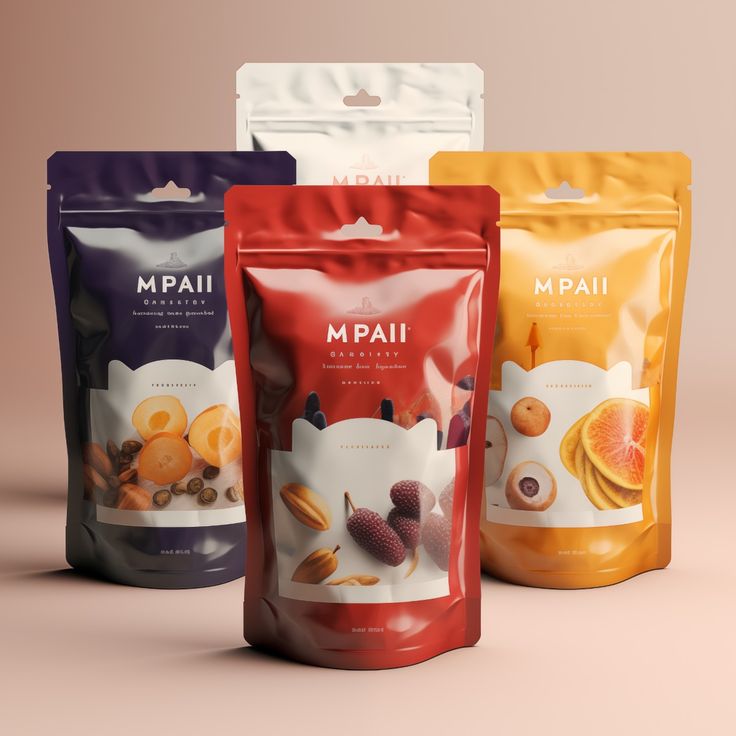
Mistake 1: Using the Wrong Mylar Thickness
One of the most overlooked decisions when selecting Mylar bags is choosing the wrong thickness. Many businesses opt for thinner films to save costs, not realizing that inadequate thickness compromises the entire barrier protection system.
How to Fix It:
Select Mylar thickness based on your product requirements:
- 2.5 mil Mylar: Suitable for light-duty applications and short-term storage of dry goods
- 3.5 mil Mylar: Recommended for most food items, supplements, and dry products with standard shelf life requirements
- 5 mil Mylar: Ideal for long-term storage, heavy products, and items requiring maximum protection
- 7 mil+ Mylar: Premium option for extreme durability and professional-grade applications
Heavier Mylar provides better oxygen barrier properties, puncture resistance, and extended product longevity. Match thickness to your product's sensitivity to environmental factors.
Mistake 2: Poor Heat Sealing Technique
Improper heat sealing is the leading cause of Mylar package failure. Many businesses use inconsistent temperature settings, inadequate dwell time, or faulty equipment, resulting in weak seals that compromise product integrity.
How to Fix It:
- Calibrate Your Equipment: Test your heat sealer before production. Ensure consistent temperature across the sealing strip
- Use Proper Dwell Time: Allow sufficient contact time (typically 2-4 seconds) for complete film fusion
- Maintain Even Pressure: Ensure uniform pressure across the entire seal to prevent weak spots
- Clean Sealing Strips: Regularly clean heat sealer surfaces to prevent residue buildup that weakens seals
- Visual Inspection: Check every seal for continuity, evenness, and proper fusion without material degradation
Consider investing in a commercial-grade heat sealer with temperature control and automatic dwell time adjustment for consistent, reliable seals.
Mistake 3: Overfilling Bags
When filling Mylar bags, many operators pack products too close to the sealing edge. This reduces seal strength and makes sealing difficult, creating vulnerable points where air can escape or enter.
How to Fix It:
- Leave Adequate Head Space: Always leave at least 1.5 to 2 inches of empty space at the top of the bag before sealing
- Account for Product Movement: Consider product settling and movement during transport and handling
- Use Fill-Line Markers: Implement visual guides on bags to ensure consistent filling levels
- Implement Weight Controls: Use scales to verify proper fill levels without exceeding recommended capacity
Adequate head space also allows for air removal before sealing, which is crucial for achieving optimal oxygen barrier protection.
Mistake 4: Neglecting Desiccant or Oxygen Absorber Placement
Many businesses include oxygen absorbers or desiccants but place them incorrectly within the bag, reducing their effectiveness. These additives only work when properly distributed and positioned for maximum contact with the product.
How to Fix It:
- Correct Positioning: Place desiccants and oxygen absorbers directly within the product mass, not just tossed loosely
- Proper Quantities: Use the correct amount based on product weight and moisture sensitivity
- Allow Contact Time: Ensure adequate space around absorbers for them to interact with the product environment
- Quality Verification: Source from reputable manufacturers and check expiration dates before use
- Protective Packaging: Some products require food-grade absorber packets to prevent direct contact
Oxygen absorbers work best in sealed environments with minimal headspace. Combine with proper Mylar sealing for maximum shelf life extension.
Mistake 5: Ignoring Storage Conditions
Even perfectly sealed Mylar bags become ineffective when stored in improper environments. Temperature, humidity, and light exposure directly affect product quality and Mylar barrier performance.
How to Fix It:
- Maintain Cool Temperatures: Store products in areas between 50-70°F (10-21°C) for optimal preservation
- Control Humidity: Keep storage areas dry with humidity below 60% to prevent moisture intrusion
- Eliminate Light Exposure: Store away from direct sunlight and UV sources that degrade product quality
- Avoid Temperature Fluctuations: Minimize thermal cycling which can compromise seal integrity over time
- Prevent Physical Damage: Stack boxes safely and protect packages from punctures or crushing
Important: Mylar provides excellent barriers, but environmental storage conditions still matter. Cool, dark, dry conditions maximize product shelf life and maintain packaging integrity.
Read More: Eco-Friendly Mylar Packaging Ideas That Customers Love in 2026
Mistake 6: Overlooking Mylar Type Selection
Not all Mylar is created equal. Choosing standard-grade Mylar when you need food-grade, or selecting material without proper oxygen barrier properties, compromises product protection.
How to Fix It:
- Verify Food Safety Compliance: Use only FDA-approved, food-grade Mylar for consumable products
- Select Appropriate Barrier Levels: Choose metalized Mylar for superior oxygen and moisture barriers, or clear Mylar if visibility is required
- Confirm Certifications: Request documentation confirming proper certifications and testing from suppliers
- Consider Industry Standards: Pharmaceuticals, supplements, and food each have specific regulatory requirements
- Partner with Reputable Suppliers: Work with established packaging providers who understand industry compliance
Different product categories have different requirements. Consult with packaging experts to select the optimal Mylar specification for your specific application.
Mistake 7: Failing to Test Seal Integrity
Many businesses assume all sealed bags meet quality standards without implementing proper testing protocols. This oversight can result in entire batches of compromised products reaching customers.
How to Fix It:
- Implement Visual Inspections: Regularly check sealed edges for consistency, proper fusion, and defects
- Perform Pressure Tests: Use water immersion tests or pressure chambers to verify seal integrity
- Sample Testing Protocol: Test a percentage of each production batch according to industry standards
- Use Seal Strength Testers: Invest in equipment that measures actual seal strength in pounds per inch
- Document Results: Maintain records of all tests for quality assurance and liability protection
Pro Tip: A simple water immersion test involves submerging sealed bags to detect leaks. Failed samples indicate equipment calibration issues or material problems requiring immediate correction.
Frequently Asked Questions About Mylar Packaging
What is Mylar packaging used for?
Mylar packaging is a type of barrier film made from polyethylene terephthalate (PET). It's commonly used for food products, pharmaceuticals, electronics, and other items that require protection from moisture, oxygen, light, and physical damage. Mylar bags are airtight and provide excellent preservation properties, making them ideal for dry goods, coffee, tea, spices, supplements, seeds, and other moisture-sensitive products.
How do I know if my Mylar bag is properly sealed?
A properly sealed Mylar bag should feel firm and airtight when gently squeezed. The seal line should be continuous with no gaps, weak spots, or irregularities. You can perform a visual inspection by looking for consistent fusion along the entire sealing edge. A heat sealer creates a uniform, flat seal without wrinkles or uneven pressure points. For additional verification, perform a water immersion test on sample bags from each batch.
Can I reuse Mylar bags?
Yes, you can reuse Mylar bags if they remain in good condition. Inspect them carefully for tears, punctures, or weakened seals before refilling. However, resealing may not be as effective as the original seal, so we recommend using fresh bags for products with strict quality requirements or long-term storage needs. Single-use design is preferred for maximum barrier protection and reliability.
What temperature should I use when heat-sealing Mylar bags?
The ideal heat-sealing temperature typically ranges from 150°C to 200°C (300°F to 390°F), depending on the Mylar thickness and your specific heat sealer equipment specifications. Always refer to manufacturer specifications and conduct test seals before production runs to ensure proper adhesion without damaging the material. Temperature control is critical—too low results in weak seals, while excessive heat can degrade the film.
Are Mylar bags food-safe?
Yes, food-grade Mylar bags are FDA-approved and safe for direct contact with food items. However, always verify that your bags are specifically labeled as 'food-safe' or 'food-grade' before using them with consumable products. Non-food-grade Mylar may contain additives unsuitable for food contact. Check certifications and request documentation from suppliers confirming compliance with food safety regulations.
How long can Mylar bags preserve products?
Properly sealed Mylar bags can preserve products for several years when stored in cool, dry conditions. For dry goods like grains, coffee, and herbs, shelf life can extend 5-10 years or longer depending on storage conditions, initial moisture content, and oxygen absorber usage. Mylar provides excellent oxygen and moisture barriers essential for long-term preservation, significantly extending product longevity compared to standard packaging.
What's the difference between Mylar and standard plastic bags?
Mylar provides superior barrier protection compared to standard plastic bags. It has better oxygen and moisture resistance, superior UV protection, and greater durability and puncture resistance. Mylar bags maintain product integrity much longer, making them ideal for premium products and long-term storage needs. While more expensive initially, Mylar's extended product protection often provides better overall value.
Can I use Mylar bags for non-food products?
Absolutely! Mylar bags work excellently for non-food items including electronics, supplements, vitamins, tea, coffee, spices, seeds, and other moisture-sensitive products. They protect against moisture, oxygen, light, and static, making them versatile for various industries. Mylar's protective properties benefit any product sensitive to environmental conditions and requiring extended shelf life.
Conclusion: Optimize Your Mylar Packaging Strategy
Mylar packaging represents a significant investment in product quality and customer satisfaction. By avoiding these seven critical mistakes, you'll maximize the protective benefits of Mylar while extending product shelf life and maintaining brand reputation. Remember that proper packaging isn't just about containing products—it's about preserving quality, meeting regulatory requirements, and delivering customer value.
Implement these solutions systematically: select appropriate thickness, perfect your heat sealing process, maintain proper fill levels, position preservation additives correctly, control storage conditions, choose the right Mylar specification, and test seal integrity regularly. These fundamental practices form the foundation of a successful Mylar packaging program.
Ready to upgrade your Mylar packaging? The Online Packaging Store offers premium food-grade Mylar bags in various sizes and thicknesses, along with professional heat sealing equipment and preservation accessories. Our experts are ready to help you select the perfect packaging solutions for your specific needs.
About Online Packaging Store: We're your trusted partner for premium packaging solutions since 2010. From Mylar bags to heat sealers, we provide businesses with the tools and materials needed for professional-grade product packaging. Visit us online for industry-leading products, expert advice, and competitive pricing.